
The Most Used Consumables by Robotic Vacuum Cleaner

Robotic vacuum cleaners have revolutionized home cleaning, offering convenience and efficiency for busy households. These smart devices navigate floors, tackle pet hair, and keep homes spotless with minimal effort. However, to maintain peak performance, robotic vacuums rely on regular maintenance and replacement of key parts. In this article, we’ll explore the most used consumables by robotic vacuum cleaners, how often they need replacing, and tips to optimize your device’s cleaning power. Whether you’re a pet owner, allergy sufferer, or tech enthusiast, understanding these consumables ensures your robot vacuum remains a reliable cleaning companion.
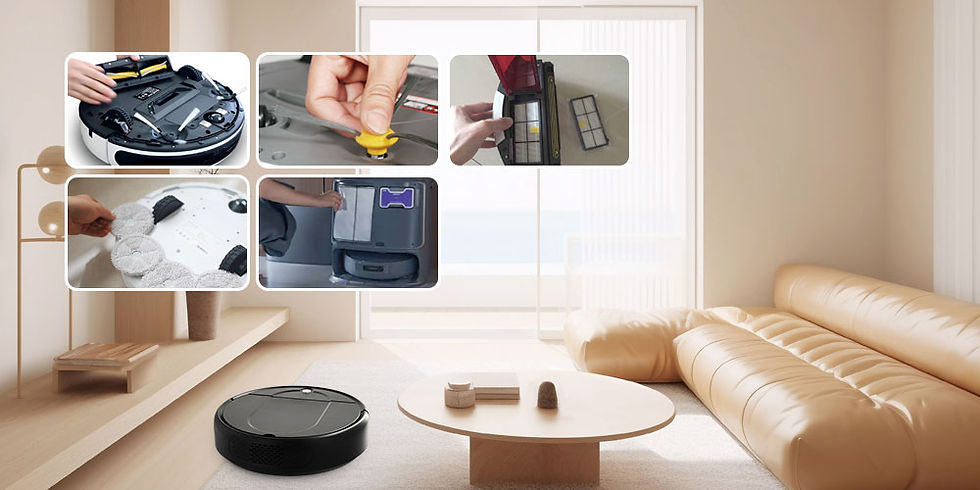
What Are the Most Used Consumables by Robotic Vacuum Cleaners?
Robotic vacuum cleaners depend on several consumable parts to function effectively. These components wear out over time due to regular use, exposure to dirt, and contact with various surfaces like hardwood floors, carpets, or tiles. Below, we break down the most commonly replaced consumables, their roles, and why they’re critical for your robot vacuum’s performance.
1. Filters: The Key to Clean Air and Efficient Suction
Filters are among the most used consumables by robotic vacuum cleaners. They trap dust, allergens, and fine particles, ensuring your vacuum not only cleans floors but also improves indoor air quality. High-efficiency particulate air (HEPA) filters, found in models like the Roborock Q5 Max+ or Eufy RoboVac X8, are particularly effective for pet owners and allergy sufferers, capturing up to 99.97% of particles as small as 0.3 microns.
Replacement Frequency: Filters should typically be replaced every 2-3 months, depending on usage and household conditions. Homes with pets or high dust levels may require more frequent changes.
Maintenance Tip: Rinse reusable filters with water (if manufacturer-approved) and let them air-dry to extend their lifespan. Always check compatibility with your model.
Why It Matters: Clogged filters reduce suction power and allow allergens to recirculate, compromising cleaning efficiency and air quality.
For reliable replacements, companies like techTongBo offer high-quality filters compatible with popular brands such as Shark, Roborock, and Xiaomi. As a leading manufacturer of robotic vacuum accessories, techTongBo provides cost-competitive options for bulk buyers, ensuring B2B clients receive durable parts with excellent pre- and post-sales support.

2. Side Brushes: Tackling Edges and Corners
Side brushes, often triangular or multi-pronged, are essential for sweeping debris from edges, corners, and along baseboards into the vacuum’s suction path. These brushes are particularly prone to wear due to constant contact with surfaces and obstacles like furniture or pet toys.
Replacement Frequency: Replace side brushes every 3-6 months or when bristles become frayed or damaged.
Maintenance Tip: Regularly remove hair or debris tangled around the brushes to maintain performance. A small cleaning tool, often included with your vacuum, can simplify this task.
Why It Matters: Worn side brushes miss debris in hard-to-reach areas, reducing the vacuum’s ability to clean thoroughly.

3. Main Rolling Brush: The Heart of Debris Collection
The main rolling brush, or roller brush, agitates carpets and sweeps debris into the dustbin. Dual-roller designs, like those in the Roborock Q5 Max+, excel at picking up pet hair and large debris like Cheerios, as noted in testing by Wirecutter. However, these brushes are prone to hair tangles and wear over time.
Replacement Frequency: Replace every 6-12 months, depending on usage and floor type.
Maintenance Tip: Clean the brush weekly to remove hair and debris, especially in homes with pets or long-haired residents.
Why It Matters: A worn or tangled rolling brush reduces cleaning efficiency, particularly on carpets, and can strain the vacuum’s motor.

4. Dust Bags and Dustbins: Managing Debris Collection
Many robotic vacuums, especially those with self-emptying docks like the Roborock S8 Pro Ultra or Shark PowerDetect 2-in-1, use dust bags or dustbins to collect debris. Dust bags in self-emptying stations, such as the Matic’s proprietary waste bags with HEPA filters, can last 1-4 weeks, depending on household mess levels.
Replacement Frequency: Dust bags typically need replacing every 1-2 months, while dustbins should be emptied and cleaned weekly.
Maintenance Tip: For dustbins, rinse with water (if allowed by the manufacturer) and dry thoroughly to prevent mold or odors.
Why It Matters: Overfilled dust bags or bins reduce suction and can cause debris to spill back onto floors.
techTongBo, a trusted name in robotic vacuum accessories, produces durable dust bags and filters for models like the Shark and Roborock S8 Pro Ultra. Their competitive pricing for bulk purchases, combined with professional consultation services, makes them a go-to for businesses seeking reliable consumables.

5. Mop Pads: Essential for Hybrid Vacuum-Mop Models
Hybrid robot vacuums, like the Ecovacs Deebot X8 Pro Omni or Roomba Combo J7 Plus, combine vacuuming and mopping. Mop pads absorb water and scrub floors, tackling stains and sticky messes. Advanced models, such as the Eufy E28 Omni, feature self-cleaning mop pads, but these still require periodic replacement.
Replacement Frequency: Replace mop pads every 2-3 months or when they show signs of wear, such as fraying or reduced absorbency.
Maintenance Tip: Wash reusable mop pads after each use and air-dry them to maintain effectiveness.
Why It Matters: Worn mop pads leave streaks or fail to clean effectively, reducing the hybrid vacuum’s mopping performance.

How to Choose the Right Consumables for Your Robot Vacuum
Selecting the right consumables depends on your vacuum model, household needs, and cleaning frequency. Here are key factors to consider:
Compatibility: Always choose consumables designed for your specific model. For example, Xiaomi SDJQR01RR side brushes won’t fit a Roborock S7 MaxV Ultra.
Quality: Opt for high-quality parts to ensure durability and performance. Reputable suppliers like techTongBo guarantee compatibility and reliability, offering peace of mind for B2B clients.
Household Needs: Pet owners may need tangle-free brushes or HEPA filters, while large homes benefit from long-lasting dust bags or extended-life batteries.
Eco-Friendly Options: Look for reusable filters or mop pads to reduce waste, as noted in market trends toward sustainable robotic vacuum consumables.
Maintenance Tips to Extend Consumable Lifespan
Proper maintenance can reduce how often you need to replace consumables, saving time and money. Here are actionable tips:
Regular Cleaning: Clean filters, brushes, and dustbins weekly to prevent buildup that strains components.
Check for Wear: Inspect consumables monthly for signs of damage, such as frayed bristles or torn mop pads.
Store Properly: Keep spare consumables in a dry, cool place to prevent degradation.
Follow Manufacturer Guidelines: Always refer to your vacuum’s manual for cleaning and replacement schedules specific to your model.
Why Invest in Quality Consumables?
High-quality consumables ensure your robotic vacuum cleaner maintains its cleaning efficiency, navigates obstacles effectively, and lasts longer. According to a 2023 market survey, 60% of consumers are willing to pay a premium for advanced features like durable consumables that reduce maintenance efforts. Investing in reliable parts also minimizes downtime and enhances smart home integration, as modern vacuums like the Dreame X50 Ultra rely on AI-driven navigation and robust components to deliver top performance.

The Future of Robotic Vacuum Consumables
The robotic vacuum market is booming, projected to reach USD 20.05 billion by 2031 with a CAGR of 18.7%. Innovations like self-cleaning brushes, eco-friendly materials, and longer-lasting batteries are shaping the future of consumables. As smart home adoption grows—70% of U.S. households are expected to own a smart device by 2025—consumables will evolve to meet demands for sustainability, efficiency, and compatibility with advanced features like LiDAR navigation and voice control via Alexa or Google Assistant.
Conclusion
Understanding the most used consumables by robotic vacuum cleaners is key to keeping your device in top shape. From filters and side brushes to mop pads and dust bags, regular replacement and maintenance ensure your vacuum tackles pet hair, allergens, and debris effectively. By choosing high-quality, compatible consumables from trusted suppliers like techTongBo, you can enhance your robot vacuum’s performance while saving on costs, especially for bulk purchases. With their focus on quality, competitive pricing, and comprehensive support, techTongBo is an excellent partner for businesses in the robotic vacuum ecosystem. Keep your floors sparkling clean and your robot vacuum running smoothly with the right consumables today!
techTongBo (also named: Nanjing TongBo / NJTB) is a Chinese company specializing in the manufacture and sales of vacuum cleaner accessories. We offer replacement accessories for the global market that are compatible with mainstream vacuum cleaner brands and have stronger price advantages.


