
Pet Dander Vacuum Filter Guide: Why Filters Matter More Than Suction

For many pet owners, vacuum performance is judged by what they can see: dog hair on the carpet, cat hair under the sofa, or dust collected around the baseboards. But in homes with pets, the visible mess is only part of the problem. Pet dander, fine dust, pollen, and tiny debris can move through the vacuum system in ways that strong suction alone cannot solve.
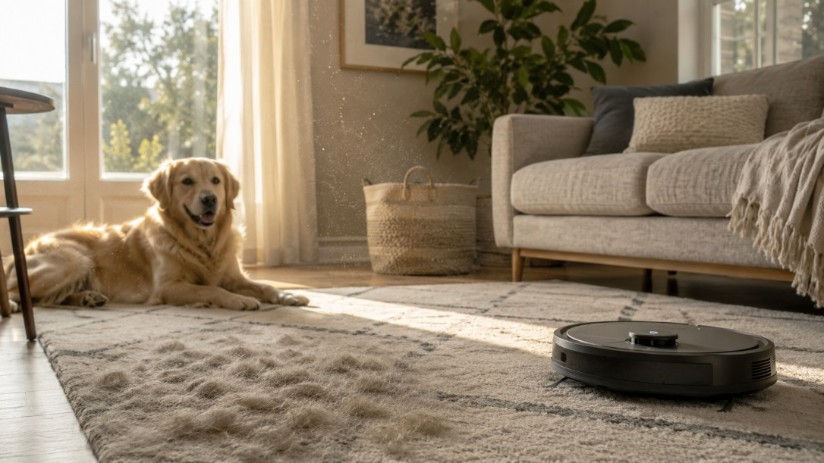
That is why the pet dander vacuum filter plays such an important role. Suction helps pick up hair and debris from the floor. The filter helps control what happens after those particles enter the machine. For allergy-sensitive homes, this difference matters.
At techTongBo, we work with replacement parts for robot vacuums, cordless vacuums, traditional vacuum cleaners, and air purifiers. From that perspective, filtration is not just a small accessory category. It is one of the key parts that affects cleaning performance, airflow, odor control, and the overall user experience in pet homes.
Pet Hair Is Visible. Pet Dander Is Not.
Pet hair is easy to notice because it collects on floors, furniture, clothes, and rugs. Pet dander is different. It usually refers to tiny flakes of skin and other fine particles associated with pets. These particles can attach to hair, dust, fabrics, and floor surfaces. They can also become airborne when people walk, brush pets, shake blankets, or vacuum with a poorly maintained machine.
This is why some homes still feel dusty or uncomfortable even after the visible pet hair has been removed. A vacuum may pick up the hair, but if the filter is clogged, poorly fitted, damaged, or not replaced on time, fine particles may not be managed as effectively as users expect.
For pet owners who care about indoor cleanliness, the question is not only “How strong is the suction?” A better question is: “What happens to fine dust and dander after the vacuum picks it up?”
Why the Pet Dander Vacuum Filter Matters More Than Suction Alone
Suction is the first step in cleaning. It pulls hair, crumbs, dust, and other debris into the vacuum. But suction does not complete the cleaning process by itself.

Inside a vacuum system, debris usually passes through several stages: the brush or intake opening, the dustbin or dust bag, the filter, and finally the exhaust airflow. If the filter is dirty or does not fit properly, the machine may lose airflow, release unpleasant odors, or allow more fine dust to circulate around the vacuum.
This is especially important in pet homes because pet-related debris is not all the same size. Long hair can wrap around the main brush. Short hair can pack into the dustbin. Fine dander and dust can load the filter. Cat litter dust, outdoor soil, and pollen carried in on paws can add even more pressure to the filtration system.
A high-quality replacement filter helps support stable airflow and better particle capture. Just as importantly, replacing the filter at the right time helps the vacuum maintain its intended performance.
Pet Homes Put More Pressure on Filters
A home without pets may collect ordinary dust, crumbs, and hair. A pet home often adds several extra cleaning challenges:
Pet hair increases the amount of material entering the dustbin or dust bag. Fine undercoat hair can also settle deep in carpets and rugs.
Pet dander and fine dust can load the filter faster than larger debris. Once the filter becomes packed with fine particles, airflow may decline.
Outdoor debris can enter the home on paws, especially in rainy seasons or homes with gardens, yards, or walking trails nearby.
Cat litter dust can be especially demanding because it contains fine particles that may reach the filter quickly.
Pet odor can also become noticeable when dirty filters, full dust bags, used mop pads, or damp cleaning parts are left unchanged for too long.

Because of these conditions, pet owners often need a more frequent replacement routine than non-pet households. The exact timing depends on the vacuum model, home size, number of pets, floor type, and cleaning frequency, but the pattern is clear: pet homes usually consume filters and other maintenance parts faster.
Signs a Vacuum Filter Needs Attention
Many users wait until the vacuum stops working well before checking the filter. In pet homes, it is better to look for early signs.
Common warning signs include weaker suction, louder motor sound, dusty exhaust, odor after vacuuming, visible dust around the filter area, or a filter that looks gray, packed, oily, or deformed. Robot vacuums may also show reduced pickup performance, shorter cleaning efficiency, or more frequent dustbin blockages.
For sellers and distributors, these signs are useful because they help explain replacement value to customers. A filter is not only a spare part. It is part of the cleaning system. When the filter is neglected, the user may blame the vacuum itself, even when the real issue is maintenance.
Filters Work Best as Part of a Full Replacement Routine
For pet homes, filters should not be considered in isolation. They work together with brushes, dust bags, mop pads, and sealing parts.
The main brush removes hair and debris from the floor. If hair builds up around the roller or end caps, the vacuum may collect less debris and push more dust around.
The side brush moves debris from edges and corners into the cleaning path. In homes with long-haired pets, side brushes may bend, tangle, or wear faster.
The dust bag or dustbin stores debris after pickup. In self-emptying robot vacuums, pet hair can fill dust bags faster than expected.
The mop pad handles paw prints, fine dust, and wet cleaning residues. In pet homes, mop pads may need closer attention because they can hold odor and dirt if not cleaned or replaced regularly.
The filter protects the airflow path and helps reduce the amount of fine debris leaving the system through exhaust air.
When these parts are maintained together, the vacuum performs more consistently. When one part is ignored, the rest of the system can suffer.

A Practical Replacement Approach for Pet Owners
A simple routine is often more useful than a complicated technical explanation. For pet homes, users should inspect filters regularly, clean washable parts only according to the vacuum brand’s instructions, and replace filters when they show signs of clogging, damage, odor, or reduced performance.
Retailers and wholesalers can also offer pet-focused replacement kits. A practical kit may include filters, main brushes, side brushes, dust bags, and mop pads. This helps customers avoid buying one part at a time and gives them a clearer maintenance schedule.
For robot vacuum users, a pet home replacement kit can be especially useful because these machines often clean daily. Daily cleaning means the filter, brush, and dust collection system are exposed to pet debris more often than a traditional vacuum used once or twice a week.
What This Means for Vacuum Parts Sellers
The pet care market is not only about stronger vacuums. It is also about better maintenance. Many customers buy robot vacuums or cordless vacuums for pet hair, but they do not always understand how quickly filters and accessories can wear in a pet environment.
This creates an opportunity for sellers. Instead of only listing replacement parts by model number, sellers can organize products by use case:
Replacement filters for pet homes
Robot vacuum maintenance kits for pet owners
Dust bag and filter bundles for self-emptying robot vacuums
Brush and filter kits for long-haired pets
Mop pad and filter kits for homes with pets and hard floors
This approach helps customers connect the product with their real cleaning problem. It also makes the value of replacement parts easier to understand.
techTongBo’s View: Performance Comes from the Whole System
A vacuum cleaner is not only a motor. A robot vacuum is not only navigation and suction power. Real cleaning performance depends on how well the moving parts, dust collection parts, and filtration parts work together.
For pet homes, the filter is especially important because the cleaning challenge includes both visible hair and hidden fine particles. A strong vacuum with a neglected filter may not deliver the experience users expect. A well-maintained vacuum with the right replacement parts can perform more consistently over time.
techTongBo supplies replacement accessories for a wide range of robot vacuums, vacuum cleaners, and air purifiers. Our product focus includes filters, brushes, mop pads, dust bags, and other maintenance parts designed to support everyday cleaning needs in real homes.
For pet owners, distributors, and retailers, the message is simple: suction picks up the mess, but filtration helps finish the job. In homes with pet dander, dust, and hair, the right filter replacement routine is not optional. It is part of keeping the vacuum working the way customers expect.
techTongBo (also named: Nanjing TongBo / NJTB) is a Chinese company specializing in the manufacture and sales of vacuum cleaner accessories. We offer replacement accessories for the global market that are compatible with mainstream vacuum cleaner brands and have stronger price advantages.


